

Take you business next level

Take you business next level
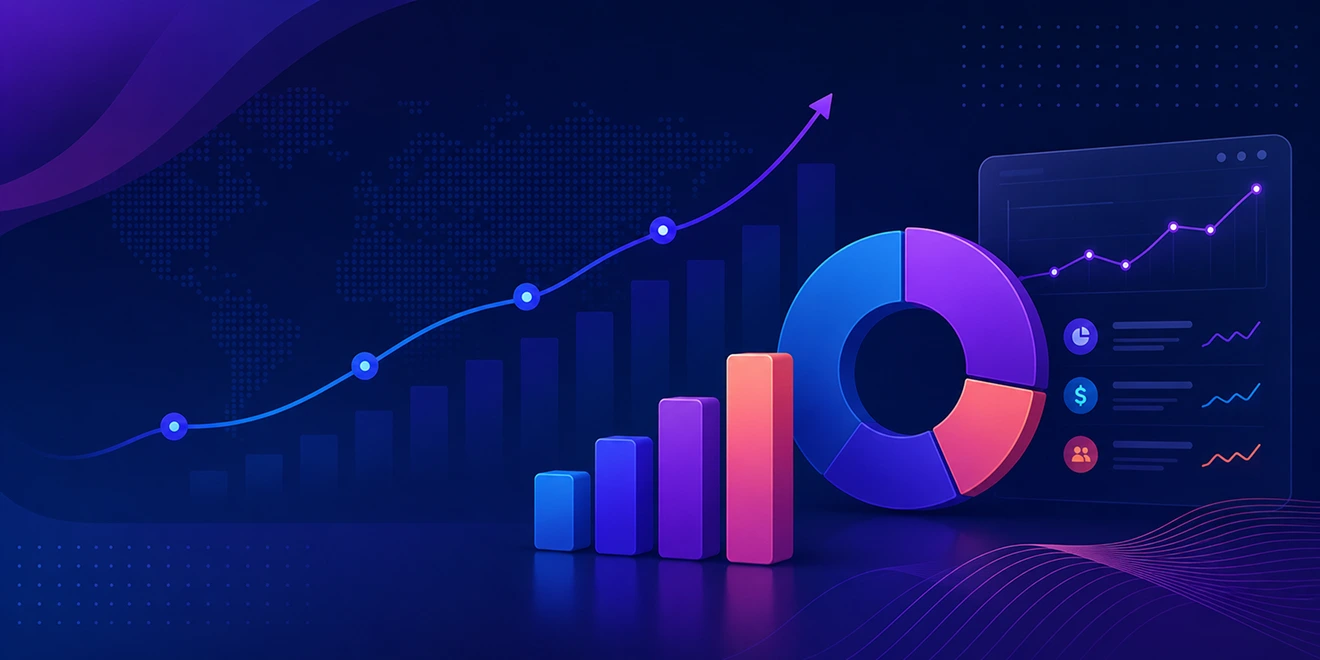
Sales forecasting estimates the revenue a business is likely to generate during a specific period. Revenue planning uses these estimates to set realistic targets, allocate resources, manage budgets, and prepare future sales activities.
An AI-powered CRM analyzes pipeline data, historical performance, customer engagement, and deal progress to help businesses create more accurate forecasts and make informed revenue decisions.
Sales forecasting helps businesses estimate future sales based on current opportunities and previous results. Forecasts may be prepared weekly, monthly, quarterly, or annually depending on the company's sales cycle and reporting requirements.
A sales forecast can help businesses understand:
Forecasts should be updated regularly as deals, customer engagement, and market conditions change.
Reliable forecasting begins with complete and accurate CRM data. A 360° contact view helps teams maintain connected customer interactions, activities, deals, and relationship information for more reliable revenue estimates.
Sales teams should consistently update:
Clear data-entry standards help every representative maintain sales information consistently.
Pipeline Kanban software helps managers understand whether enough opportunities are available to achieve future revenue targets. It also shows how deals are distributed across different stages of the sales process.
Teams should review:
AI can highlight unusual delays, missing follow-ups, and deals that may be at risk.
Deal management software helps sales teams estimate each opportunity's likelihood of closing using its stage, customer engagement, previous activities, decision timeline, and identified risks.
AI can analyze signals such as:
These signals help businesses create more realistic forecasts instead of treating every deal as guaranteed revenue.
AI-powered forecasting uses current pipeline information, historical sales performance, and CRM dashboards to identify patterns, monitor important metrics, and predict future outcomes.
AI can help teams:
Sales managers should review AI-generated forecasts and consider market changes, customer circumstances, and other factors that may not be fully reflected in CRM data.
Revenue planning turns sales forecasts into practical business actions. It helps companies determine what must be achieved and which resources are required to reach their goals.
A revenue plan may include:
Revenue plans should be realistic, measurable, and aligned with the available pipeline and historical performance.
CRM reporting helps businesses compare sales forecasts with actual results to understand accuracy and identify outdated data, unrealistic probabilities, inconsistent stages, or unexpected market changes.
Businesses can monitor:
Regular reviews help teams improve their forecasting methods, maintain healthier pipelines, and create more reliable revenue plans.
Integrate the tools you use every day and keep your sales data connected in one platform.





Discover how GoFox helps your sales team manage leads, automate follow-ups, and close deals with confidence, all from one intelligent CRM.
Get Started FreeReal feedback from teams who switched to a simpler way of managing customers and projects.
"This CRM completely transformed how our sales team manages customers. Within three months, we increased productivity by 35% and improved team communication significantly."
"Our team finally stopped juggling countless spreadsheets and switched to a cleaner, more efficient workflow solution."
"We moved away from messy manual processes and embraced a smoother workflow that keeps our whole team aligned."
"In just one day, our whole team was seamlessly collaborating and managing projects through a single dashboard."
CRM CRD is a modern CRM platform designed to simplify customer management. It streamlines daily tasks, organizes interactions, automates follow-ups, and helps teams collaborate more efficiently.
"Within just 60 seconds, our complete CRM system was set up and ready for immediate use."
"Our customer response time has improved by 40%, helping us provide faster and more efficient support."