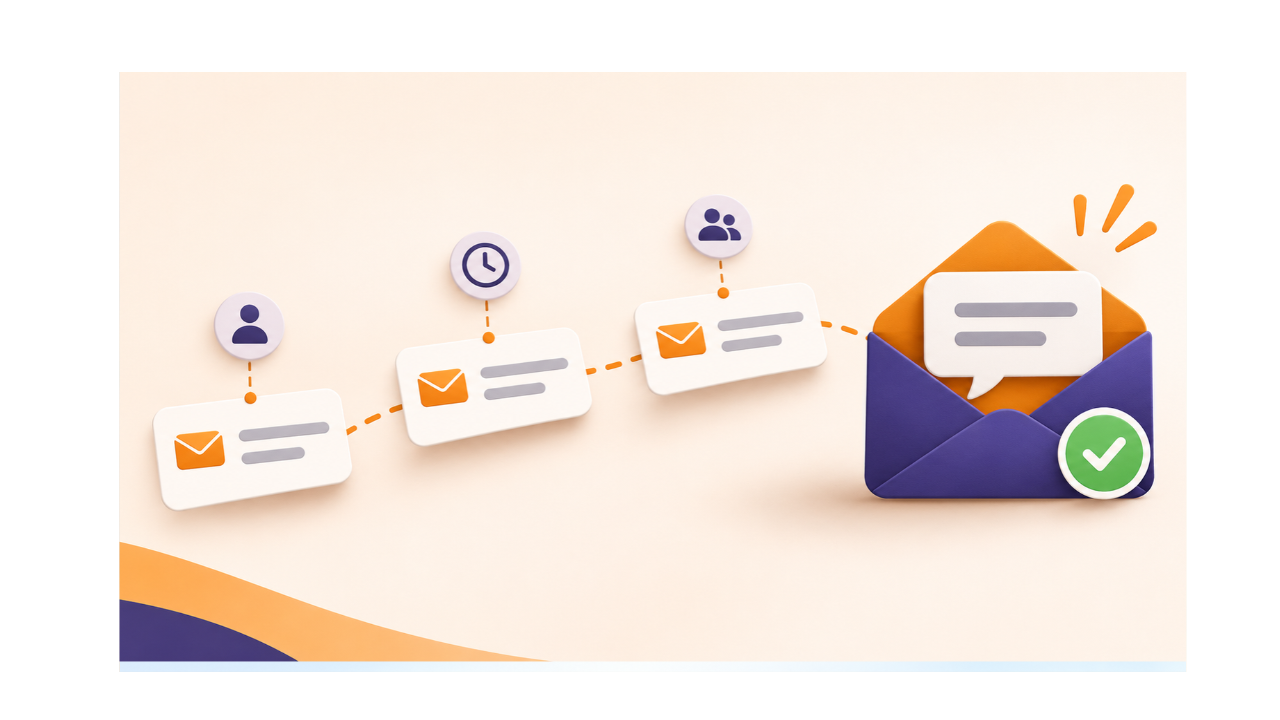
A prospect asks about your product and receives a reply. The conversation goes quiet. A reminder repeats the same information, leaving important questions unanswered. An email sequence gives each follow-up a clear purpose, helping your team address concerns and maintain a relevant conversation.
Email Sequences give customer communication a clear structure. Each message addresses a specific need, provides relevant information, and presents a suitable next action. A useful sequence reflects the recipient’s interests, previous conversations, and decision stage. Accurate contact records, thoughtful scheduling, and clear ownership support its performance.
What Are Email Sequences and How Do They Work?
Email sequences are planned sets of emails built around a specific goal. Common goals include booking a demonstration, completing account setup, requesting a proposal, or understanding a product.
Each message has a defined role. A demonstration sequence might include a meeting recap, a feature explanation, implementation guidance, and an invitation to discuss requirements.
A campaign typically delivers an individual message to a selected audience. A sequence organises several related messages across a planned schedule.
Platform capabilities determine enrolment methods, personalisation options, scheduling controls, and removal settings. Your sequence plan should reflect the functions available in your software.
Which Customer Conversations Need Email Sequences?
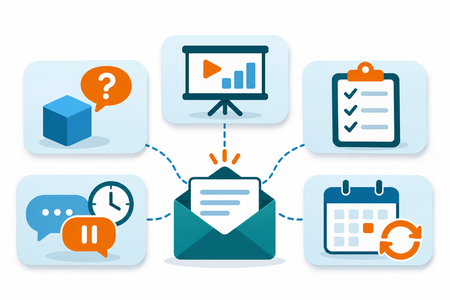
A suitable audience shares a recognisable need. A clear purpose helps your team select relevant content and appropriate actions.
Common applications include:
- Product enquiries: Explain capabilities relevant to the prospect’s stated requirements.
- Demonstration follow-ups: Document the discussion, answer outstanding questions, and confirm the proposed action.
- Customer onboarding: Guide users through setup tasks and essential product functions.
- Inactive opportunities: Check the prospect’s current priorities and decision timeline.
- Renewal preparation: Invite a discussion about account requirements and future usage.
Keep the audience focused. New customers need practical guidance. Prospects evaluating a proposal need information supporting their decision. Separate sequences give each group a more relevant experience.
How to Plan a Sequence Around Customer Intent
The original interaction provides the starting point. A demonstration request suggests active evaluation. A guide download may indicate early research.
Review enquiry details, meeting notes, and contact history. Identify unanswered questions and the information required for a useful response.
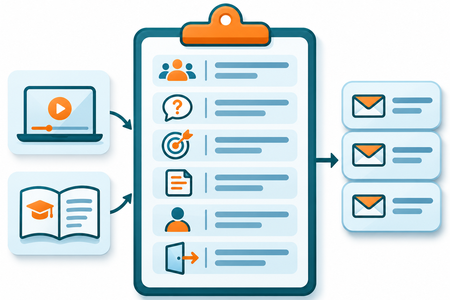
Record these details:
- Audience: The contacts eligible for enrolment.
- Need: The problem or requirement expressed.
- Goal: The action the sequence should support.
- Content: The information required across the messages.
- Owner: The person responsible for replies.
- Exit conditions: The events requiring removal.
Define a clear goal: “Help users complete their profile settings.”
How Personalization Software Makes Follow-Ups More Relevant
Personalization Software helps teams adapt messages using available customer information. Relevant details include company size, product interests, stated requirements, and previous discussions.
A prospect managing fifteen employees may need guidance about team access and shared records. Referencing that requirement gives the message a practical purpose.
Useful personalisation practices include:
- Check names, company details, and assigned representatives.
- Reference requirements recorded in the original conversation.
- Use approved wording for missing information.
- Remove outdated details from message templates.
- Preview the completed email using sample contact records.
Personalisation requires reliable data. Incorrect details can make a carefully written message feel careless. Assign responsibility for maintaining the fields used in your sequences.
What to Include in Each Email of Your Sequence
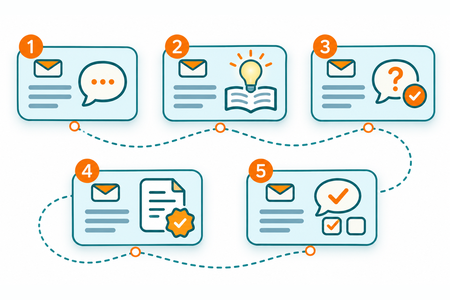
A five-message structure offers a practical planning example. Your audience and goal determine the appropriate length.
Email one: Recognise the original interest
Mention the enquiry or discussion. Provide the promised information. Keep the request specific.
Email two: Explain a relevant solution
Address one customer problem. Share a focused guide, practical explanation, or product demonstration.
Email three: Address a concern
Discuss an issue affecting the decision. Examples include setup effort, team training, and process compatibility.
Email four: Present supporting evidence
Use a verified customer example or documented capability. Explain its relevance to the recipient.
Email five: Check current interest
Check the recipient’s interest in the topic. Respect their preference to end communication.
How to Choose Email Timing and Frequency
The recipient’s situation should guide your schedule. A requested proposal deserves prompt attention. An introductory resource may require more reading time.
A sample schedule could include an initial response on day one, practical guidance on day four, and a focused check-in on day eight. Treat these intervals as planning examples.
Review:
- The urgency recorded in the enquiry.
- The contact’s time zone and working hours.
- Your typical decision timeline.
- Other communications reaching the recipient.
- Recent activity recorded by your team.
Excessive frequency can create pressure. Long gaps can weaken the context. Review replies, unsubscribes, and completed actions to judge the suitability of your schedule.
Where AI Marketing Automations Can Support Email Sequences
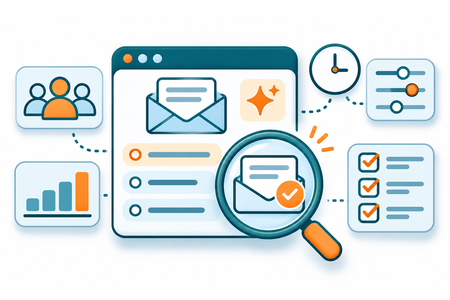
AI Marketing Automations may assist with drafting, audience analysis, and identifying engagement patterns. Available capabilities vary across platforms and subscription plans.
Give AI a clearly defined task. A request for three subject lines based on approved copy creates a manageable review process. Include the audience, purpose, product information, and preferred tone.
Human review should cover:
- Accuracy of product statements.
- Relevance to the recipient.
- Unsupported claims or invented details.
- Consistency with the original conversation.
- Clarity of the requested action.
Check content accuracy and sending permissions. Verify recipient lists, email timing, exclusions, and removal settings.
How AI Marketing Workflows Connect Emails With Next Steps
AI Marketing Workflows can support a broader process involving customer information, communication, and assigned tasks. The exact functions depend on the platform.
A useful process gives every response an owner. A meeting request should reach the responsible representative. A completed objective should prompt a review of sequence membership.
Define the required actions:
- Save the response against the correct contact.
- Assign responsibility for the conversation.
- Create the relevant task.
- Review remaining scheduled messages.
- Update the contact’s status and requirements.
- Record any integration failures.
Check which actions require manual handling. Document responsibility for missed updates and failed assignments. Clear ownership helps prevent unanswered replies and unnecessary reminders.
How to Use Marketing Reports to Improve Sequence Results
Marketing Reports help teams evaluate progress against the sequence’s goal. Select measurements reflecting meaningful customer actions.
Useful metrics include:
- Positive replies: Responses expressing interest or requesting more information.
- Relevant clicks: Visits to resources supporting the recipient’s decision.
- Completed objectives: Bookings, setup milestones, and proposal requests.
- Unsubscribes: Signals requiring a review of relevance or frequency.
- Delivery failures: Addresses needing investigation or removal.
Open rates provide limited evidence. Email privacy features can affect tracking accuracy. Review recorded conversations and completed objectives alongside engagement data.
Low response levels need investigation. Check delivery quality, audience suitability, message relevance, and the requested action. Change one meaningful element per test. Record the audience, variation, and results.
Build Email Sequences That Keep Conversations Moving
Effective email sequences give recipients useful information and a clear reason to respond. Each message should reflect their needs and current relationship with your business.
Choose a focused audience. Set one measurable goal. Write distinct messages. Check contact details, personalisation fields, links, scheduling, and removal rules. Assign responsibility for replies.
Explore GoFox to organise customer information and follow-up activities.
